
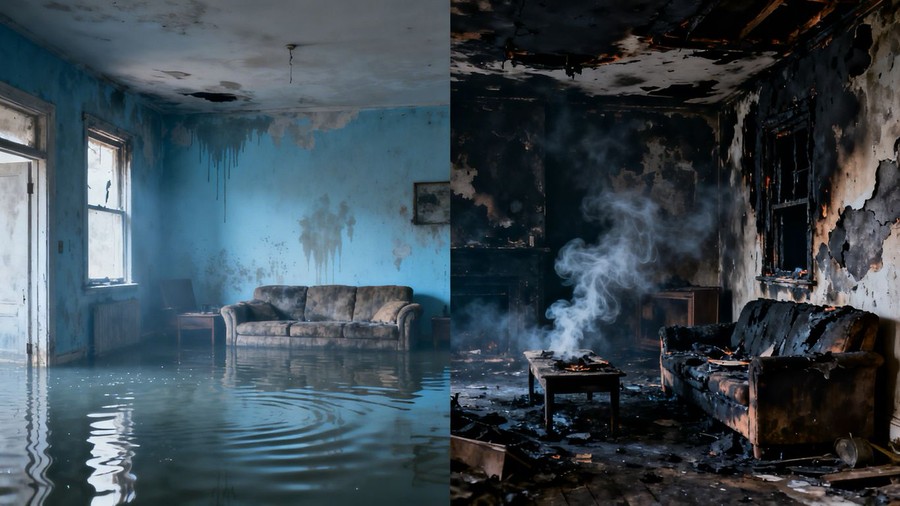

When a home experiences a flood or fire, the immediate concern is often the damage itself. However, a hidden danger can emerge from the disruption: asbestos. Materials containing asbestos, commonly used in older buildings for insulation and fireproofing, can become a significant hazard when disturbed by water or extreme heat. The primary risk comes from airborne asbestos fibers, which are microscopic and can be easily inhaled.
The Invisible Threat of Airborne Asbestos Fibers
Asbestos fibers are incredibly small and lightweight. When asbestos-containing materials (ACMs) are damaged – whether by water saturation in a flood or the intense heat and structural compromise of a fire – these fibers can become dislodged and float in the air. Unlike visible smoke or water damage, these fibers are invisible to the naked eye, making their presence difficult to detect without professional testing. Once airborne, they can spread throughout a property and pose a serious health risk to anyone who breathes them in. Even seemingly minor disturbances during initial cleanup can release these dangerous particles. A flooded basement, for instance, can destabilize asbestos materials, creating a hidden hazard that might not be apparent until cleanup begins. water damage can destabilize asbestos.
Health Consequences of Asbestos Exposure
Inhaling asbestos fibers can lead to severe, long-term health problems. These fibers can become lodged in the lungs and other organs, causing inflammation and scarring over time. This can eventually lead to serious respiratory conditions, including asbestosis, lung cancer, and mesothelioma, a rare but aggressive cancer. The risk is directly related to the amount and duration of exposure. Firefighters and cleanup crews are particularly at risk due to the potential for prolonged exposure in damaged structures. It is important to remember that there is no known safe level of asbestos exposure.
Asbestos Properties and Fire Resistance
Asbestos was widely used in construction because of its remarkable resistance to heat, fire, and electricity. Its non-flammable nature made it an attractive material for insulation and fireproofing. However, this very property means that asbestos materials often survive fires intact, even when surrounding structures are destroyed. While the asbestos itself may not burn, the intense heat and the physical forces of a fire can break down the materials that contain it, releasing the hazardous fibers. This means that even if the fire is out, the asbestos risk can persist in the debris and remaining structures, requiring careful handling and assessment.
Immediate Steps for Asbestos Safety
Following a flood or fire, the immediate aftermath can be chaotic. Amidst the damage assessment and initial cleanup efforts, it is vital to consider the potential presence of asbestos. The primary goal is to prevent the release and inhalation of asbestos fibers. This requires a cautious approach, even before professional assessment begins.
Protective Equipment for First Responders and Occupants
Anyone entering a damaged property, including first responders and homeowners, must prioritize personal safety. Standard dust masks are insufficient against asbestos fibers. The following protective measures are recommended:
- Respiratory Protection: Use NIOSH-approved respirators with P100 filters. These are designed to capture very fine particles, including asbestos. Ensure a proper fit to create a seal around the face.
- Protective Clothing: Wear disposable coveralls, gloves, and eye protection. This prevents asbestos fibers from contaminating personal clothing and skin, which could then be tracked elsewhere.
- Hygiene Practices: After exiting the affected area, remove disposable clothing carefully to avoid spreading dust. Shower and change into clean clothes as soon as possible. Do not eat, drink, or smoke in the contaminated zone.
Minimizing Dust During Initial Assessment
Disturbing damaged materials can easily release asbestos into the air. During any initial walk-through or assessment, it is imperative to minimize dust generation. If any materials appear damaged or are crumbling, avoid touching them. If you must handle debris, such as ash from a fire, wetting the materials slightly can help suppress airborne dust. This is a temporary measure until professional abatement can occur. Remember, asbestos can be present in many common household items, and fire can make these materials friable [7d35].
Securing the Affected Area
Once the immediate risks are assessed and basic protective measures are in place, securing the area is the next critical step. This involves:
- Restricting Access: Keep unauthorized individuals out of the damaged property. This includes children, pets, and other family members who may not be aware of the potential hazards.
- Sealing Off Entry Points: Close doors and windows to the affected areas to prevent the spread of dust to unaffected parts of the home or to the outside environment.
- Communicating the Hazard: Clearly mark the area as potentially hazardous, indicating the risk of asbestos exposure. This serves as a visual reminder to anyone who might approach the property.
Professional Assessment and Testing
Following a flood or fire, it is vital to determine if asbestos-containing materials (ACMs) have been disturbed. This is not a task for homeowners; it requires the attention of certified professionals. They possess the knowledge and tools to identify potential asbestos hazards safely and accurately. Without proper assessment, there is a significant risk of unknowingly spreading harmful asbestos fibers throughout the property.
The Role of Certified Asbestos Building Inspectors
Certified asbestos building inspectors are trained to recognize materials that may contain asbestos. These professionals understand the common locations where asbestos was used in building materials, such as insulation, ceiling tiles, floor tiles, and roofing. They will conduct a thorough visual inspection of the affected areas. If suspect materials are found, they will proceed with sampling. This initial assessment is the first step in understanding the scope of potential asbestos contamination. For specialized testing related to fire damage, services like those offered by IntegrityAQ can provide insights into microscopic contamination fire damage testing services.
Identifying Asbestos-Containing Materials
The identification process involves several key steps:
- Visual Inspection: Inspectors look for materials commonly known to contain asbestos, paying close attention to areas that may have been damaged by water or heat.
- Material Sampling: Small samples of suspect materials are carefully collected using methods designed to prevent fiber release. These samples are then sealed and labeled.
- Laboratory Analysis: The collected samples are sent to an accredited laboratory for testing. Techniques like Polarized Light Microscopy (PLM) are used to determine the presence and type of asbestos fibers.
Understanding Trigger Levels for Removal
Regulatory bodies establish specific
Safe Debris Removal and Disposal Protocols
Following a disaster like a flood or fire, dealing with debris that may contain asbestos requires a very specific and careful approach. The primary goal is to prevent asbestos fibers from becoming airborne, which can happen easily when materials are disturbed. Proper containment and handling are not just recommended; they are legally mandated to protect public health.
Wet Methods for Minimizing Dust
To keep asbestos fibers from becoming airborne, professionals use wet methods. This involves spraying water, often mixed with a special surfactant, onto the materials before and during removal. This process helps to weigh down the fibers, making them less likely to disperse into the air. It’s a simple yet highly effective technique that significantly reduces the risk of exposure.
Approved Asbestos Waste Containment
Once asbestos-containing materials are removed, they must be contained properly. This typically involves double-bagging the debris in heavy-duty, labeled plastic bags specifically designed for asbestos waste. These bags are then placed into sealed containers, such as lined roll-off dumpsters. This containment strategy is vital for preventing any accidental release of fibers during transport and disposal. The entire area is often sealed off with plastic sheeting before removal begins to prevent contamination from spreading.
Transporting Debris to Licensed Landfills
Asbestos waste cannot be disposed of just anywhere. It must be transported to a landfill that is specifically licensed and approved to accept asbestos-containing materials. Before any debris is moved, the landfill should be contacted to confirm acceptance and to arrange for the necessary waste profiling. This ensures that the waste is handled according to strict environmental regulations. Professionals will handle the transport, using vehicles and methods that comply with all safety standards for asbestos abatement.
Navigating Insurance Claims for Asbestos Remediation
Dealing with property damage from a flood or fire is stressful enough. When asbestos is involved, the situation becomes even more complicated, especially when it comes to insurance claims. It’s important to understand how your insurance policy handles asbestos remediation and what steps you need to take to get the coverage you’re entitled to.
The Importance of Public Insurance Adjusters
Insurance companies have their own adjusters who work for them. Sometimes, their assessment of the damage and the cost of repairs might not fully cover everything. This is where a public insurance adjuster can be a real help. They work for you, the policyholder, and can help make sure your claim is handled fairly. They know the ins and outs of insurance policies and can help document the full extent of the damage, including the costs associated with asbestos testing and removal.
Understanding Policy Coverage for Remediation
Not all insurance policies are the same when it comes to asbestos. Some might have specific exclusions or limits on asbestos-related claims. It’s vital to carefully review your policy documents or have a professional help you understand what’s covered. Key things to look for include:
- Coverage for asbestos testing and inspection.
- Limits on the amount covered for asbestos abatement and disposal.
- Requirements for using certified asbestos professionals.
- Coverage for temporary relocation if your home is uninhabitable.
Documenting Losses for Claim Submission
Thorough documentation is absolutely key when filing an insurance claim for asbestos remediation. You’ll need to keep records of everything. This includes:
- Photographs and videos of the damage before any cleanup begins.
- All invoices and receipts from certified asbestos removal companies.
- Reports from asbestos testing and air quality monitoring.
- Communication records with your insurance company and their adjusters.
Gathering all this information can be a lot to handle, especially after a disaster. Working with a public adjuster can help ensure that all necessary documentation is collected and presented correctly to the insurance company, which can lead to a more accurate and timely settlement.
Post-Removal Safety and Verification
Once the asbestos-containing materials have been safely removed and disposed of, the process isn’t quite finished. The final stages focus on confirming the environment is truly safe and outlining steps for ongoing vigilance. This verification is critical to ensure that no harmful fibers remain and to prevent future issues.
Final Air Quality Testing and Clearance Reports
The very first step after removal is comprehensive air quality testing. Certified professionals will conduct tests to detect any residual asbestos fibers that might still be airborne. This isn’t a quick check; it involves specialized equipment and laboratory analysis to confirm that the air meets all regulatory standards for safe reoccupation. Following this, you should receive a detailed clearance report. This document serves as official proof that the abatement was successful. It typically includes:
- Results from the air quality tests.
- Details of the materials removed and where they were disposed of.
- Confirmation that the work area has been decontaminated.
This clearance report is your assurance that the space is safe to inhabit again. It’s also an important record for future reference, especially if you plan to sell the property later. You can find more information on the importance of these final checks at asbestos tile removal.
Long-Term Monitoring and Prevention Strategies
While professional removal is highly effective, it’s wise to maintain a degree of caution. Asbestos can sometimes be present in unexpected places or in materials that weren’t part of the initial remediation project. Therefore, a strategy for long-term monitoring and prevention is recommended. This might involve:
- Scheduling periodic inspections, particularly before undertaking any future renovations or significant repairs.
- Educating household members or building occupants about the potential signs of hidden asbestos materials, such as deteriorating ceiling tiles or insulation.
- Keeping a record of the abatement work and consulting it before disturbing any older building components.
Maintaining a Safe Environment After Abatement
Even after successful asbestos abatement, adopting certain practices can help maintain a safe living or working environment. It’s important to avoid disturbing any original building materials that were not part of the removal process. Activities like drilling, sanding, or aggressive cleaning of old surfaces should be approached with caution. If you notice any wear or damage in areas that were previously treated or in older parts of the building, it’s best to have them assessed by a professional. Keeping your asbestos clearance report in a secure place is also a good practice, as it forms part of your property’s maintenance history and health record.
Continue Learning
