

Smarter Home Pest Prevention: A Practical Integrated Pest Management PlanKey Takeaways
- Most pest activity starts with access to food, moisture, shelter, or an opening into the home.
- Integrated pest management combines inspection, prevention, monitoring, physical controls, and focused treatment when necessary.
- Small maintenance tasks, including sealing gaps and repairing leaks, can reduce repeat pest problems.
- Ants, rodents, termites, mosquitoes, and bed bugs require different responses.
- Product labels, safe placement, and professional help matter when pest activity creates health, safety, or property concerns.
Effective pest control is not just about reacting when insects or rodents appear. A practical plan starts by identifying what attracts the pest, how it gets inside, and what conditions allow it to remain. Homeowners who need help developing that plan can work with Green Pest Services or another qualified local provider to assess the property and choose an appropriate response.
Integrated pest management, often called IPM, is a prevention-first approach that uses multiple tools rather than relying on broad pesticide use alone. It emphasizes observation, sanitation, exclusion, and monitoring, then uses targeted treatments only when the situation calls for them.
Table Of Contents
- What Integrated Pest Management Means At Home
- How To Find Pest Risks
- Food, Water, And Shelter
- A Seasonal Prevention Plan
- Pest-Specific Prevention Steps
- Using Pest Products More Safely
- When To Call A Professional
- Simple Prevention Checklist
What Integrated Pest Management Means At Home
IPM begins with correct identification. A trail of small ants, a rodent dropping, and wood damage should not receive the same treatment. The goal is to understand the pest, locate its activity, remove the conditions it needs, and monitor whether the plan is working. The preventive measures and reduced-risk treatment methods described by the EPA reflect this approach: reduce food, water, and shelter before turning to pesticides.
Prevention often beats emergency treatment because it addresses the reason pests return. Repairing a slow leak, installing a door sweep, moving firewood away from the house, or storing pantry items in sealed containers can make a home less inviting with minimal disruption.
How To Find Pest Risks
A basic inspection can take about 30 minutes. Begin outdoors and walk around the foundation. Look for cracks, loose screens, damaged vents, vegetation touching siding, gaps where pipes or cables enter, and garage doors that do not close tightly.
- Check under sinks, behind appliances, and around plumbing connections for moisture or droppings.
- Inspect basements, attics, crawl spaces, garages, and storage areas for gnaw marks, nests, shed skins, webbing, or damaged wood.
- Examine exterior doors, window frames, roof edges, dryer vents, and utility penetrations.
- Take photos and note the date and location before cleaning evidence away.
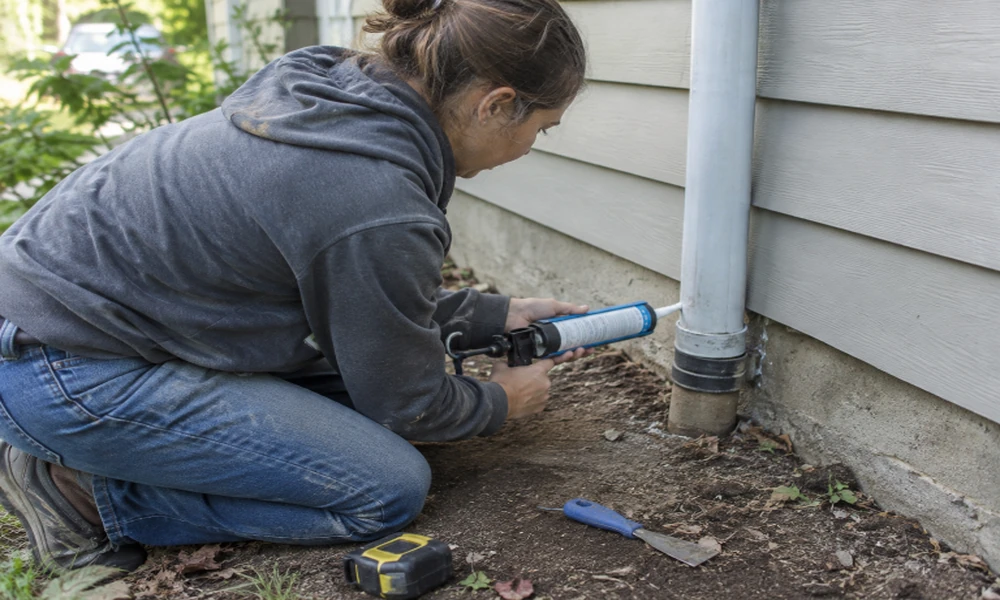
Seal small cracks with suitable caulk, add weather stripping where needed, and repair damaged screens. Use materials that fit the location, and do not block vents or other required airflow openings.
How Food, Water, And Shelter Attract Pests
Pests commonly remain near homes because they can find basic resources. Food sources include crumbs, open trash, grease, birdseed, pet food, and unsealed dry goods. Water sources include leaking plumbing, condensation, clogged gutters, and rain-collecting containers. Shelter may include cardboard, stored belongings, dense plants, firewood, wall voids, and unused equipment.
Quick Fixes That Add Up
- Daily: Wipe food-preparation surfaces, close trash containers, and avoid leaving pet food out overnight.
- Weekly: Vacuum edges and storage areas, check for leaks, and empty water-holding containers outdoors.
- Monthly: Inspect screens, door seals, gutters, outdoor storage, and the perimeter of the house.
A Seasonal Pest Prevention Plan For 2026
Winter
Inspect attics, garages, and basements for rodent activity. Keep firewood away from exterior walls, and close gaps before pests settle indoors.
Spring
Check drainage, screens, gutters, doors, and areas around plumbing. Watch for ant trails, moisture damage, and early nest activity around sheds or rooflines.
Summer
Keep outdoor food and drinks covered, inspect for stinging insects, and remove standing water. The CDC recommends emptying, scrubbing, turning over, covering, or discarding water-holding items at least weekly to remove standing water where mosquitoes lay eggs.
Fall
Trim plants away from siding and rooflines, store seasonal decorations in sealed containers, and inspect door sweeps and exterior gaps before cooler conditions push pests inside.
Pest-Specific Prevention Steps
Ants
Follow trails to locate likely food sources and access points. Clean food residue, wipe down trail areas, repair moisture issues, and seal the route once the activity has been addressed. Spraying visible ants without addressing the colony or entry point may not solve the underlying issue.
Rodents
Droppings, gnaw marks, nesting material, and nighttime sounds can indicate rodent activity. Exclusion is central to long-term control, so focus on closing openings, protecting food, reducing clutter, and addressing water sources.
Termites
Discarded wings, mud tubes, hollow-sounding wood, bubbling paint, or unexplained wood damage deserve prompt attention. Because termites can affect structural materials, arrange a qualified inspection rather than relying on guesswork.
Mosquitoes And Bed Bugs
For mosquitoes, reduce breeding sites and keep window and door screens intact. For bed bugs, look for live insects, dark spotting, shed skins, and signs around beds or upholstered furniture. Avoid moving infested items throughout the home or using random sprays, as this can complicate control.
How To Use Pest Products More Safely
- Identify the pest before selecting a product.
- Read the complete label and follow its directions for dose, location, and timing.
- Keep products away from food, children, and pets.
- Never mix products unless the label specifically permits it.
- Do not use an outdoor product indoors, and keep products in their original containers.
“Natural” does not automatically mean harmless. Choose the least disruptive effective option for the situation, and prioritize physical controls and prevention when they can reasonably address the problem.
When To Call A Licensed Pest Professional
Seek professional help for suspected termites, structural damage, rodents in walls or HVAC areas, bed bugs in multiple rooms, nests near entrances or play spaces, recurring activity after repairs, or pests that may create a health or safety concern. Ask about licensing requirements in your area, inspection methods, treatment details, follow-up visits, and the products being considered.
Simple Home Pest Prevention Checklist
- Seal visible gaps around doors, windows, pipes, and foundations.
- Repair leaks and improve drainage near the home.
- Store food in tightly sealed containers and empty trash regularly.
- Keep yard debris and firewood away from exterior walls.
- Clean gutters, maintain screens, and remove standing water weekly.
- Track pest sightings with photos, dates, and locations.
- Use targeted treatment only after inspection and monitoring show a need.
Conclusion
A pest-free home starts with consistent prevention, not just treatment after an infestation appears. Sealing entry points, controlling moisture, properly storing food, and monitoring seasonal activity can help reduce conditions that attract unwanted pests. Because ants, rodents, termites, mosquitoes, and bed bugs require different approaches, identifying the problem before choosing a treatment is essential. When routine prevention is not enough, a qualified provider such as Green Pest Services can help identify the underlying cause and develop a targeted plan to protect your home over the long term.
Smarter Home Pest Prevention: A Practical Integrated Pest Management Plan
