
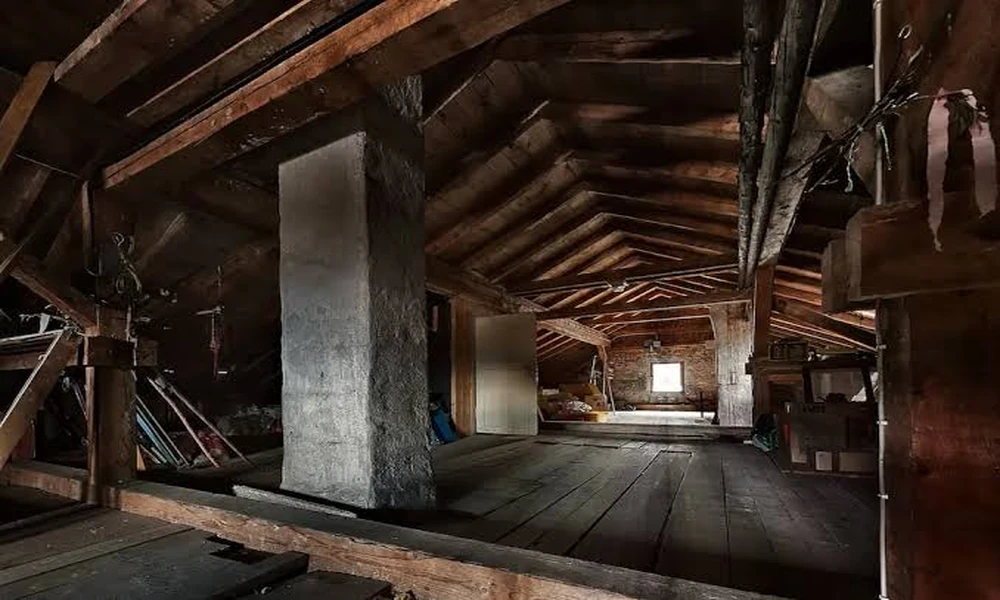

Noises overhead at 2 a.m. send many homeowners straight to a search engine. The timing, weight, and rhythm of a sound usually point to its source, and most attic noises fall into a handful of patterns. Based on the calls our Kansas City pest control team gets every fall and winter, here are ten common attic sounds, what is probably making each one, and when it is worth having someone take a look.
1. What makes light scratching and scurrying at night?
Most likely mice. Their movements are quick and light, often sound like they are running along the edges of the attic, and happen mostly after dark. You may hear them in ceiling and wall voids too, not just the attic floor. Small, rice-sized droppings near insulation confirm it.
2. What if the running sounds heavier?
Heavier scurrying, thumps, and dragging sounds at night usually mean rats. Their droppings are about the size of a raisin, roughly half an inch long, compared with the much smaller droppings mice leave. Rats also leave gnaw marks large enough to notice on wood and plastic.
3. Who is scampering up there at sunrise?
Activity in the early morning and late afternoon points to squirrels, which are active during the day, unlike rodents that come out at night. Gray and fox squirrels are common across Kansas City and often get in through gaps along the roofline or damaged soffit vents.
4. What makes heavy thumping that sounds like footsteps?
A large animal walking across the attic at night is often a raccoon. In spring, a female may move in to raise her young, and you may hear chattering or whimpering along with the thumps. Raccoons can tear open roof vents and soffits, so look for outside damage along the roofline.
5. What makes squeaking and rustling at dusk?
High-pitched squeaks and rustling around sunset, often near a gable vent or roof gap, are typical of bats leaving to feed. Missouri protects its bats, and several species are federally endangered. The Missouri Department of Conservation advises against sealing bats out during the summer, when young bats cannot yet fly and would be trapped inside.
6. What makes chirping and fluttering near the vents?
Daytime chirping and fluttering near dryer, bathroom, or attic vents usually means birds are nesting. Starlings and house sparrows are common culprits. Their nesting material can block exhaust vents, which becomes a safety problem for dryer vents in particular.
7. What causes a steady gnawing sound?
Gnawing points to rodents. Mice, rats, and squirrels all have teeth that never stop growing, so they chew constantly. This sound deserves a quick response, because rodents in an attic chew on wood, ductwork, and electrical wiring, and damaged wiring is a fire hazard.
8. Why is there buzzing in the ceiling?
A low, steady buzz in a wall or ceiling, especially on warm days, often means a wasp or yellowjacket nest in a soffit, eave, or wall void. Do not seal the entrance while the nest is active. The insects may chew their way out into your living space instead.
9. What makes a faint crackling sound inside wood?
Carpenter ants hollowing out galleries in damp wood can make a faint rustling or crackling sound you may hear in a quiet house. Look for small piles of fine sawdust, called frass, below beams or window frames.
10. What if the noise only happens when the temperature changes?
Popping, ticking, or creaking that comes with temperature swings, especially on cold nights after a warm day, is usually not an animal at all. Roof decking, framing, and metal ductwork expand and contract as they heat and cool.
When should you call Zip Zap Pest for Kansas City pest control?
If what you are hearing sounds like mice, rats, wasps, or carpenter ants, Zip Zap Pest can help. ZipZap Termite & Pest Control is a family-owned company in Lawson led by Board-Certified Entomologist Jeff Preece, and it is QualityPro certified. An inspection pinpoints the pest, finds where it is getting in, and leads to a treatment and exclusion plan for homes across Kansas City and the Northland. For larger wildlife such as raccoons or bats, a wildlife removal specialist may be the right call.
How do you figure out what’s in your attic?
Pay attention to when the noise happens, how heavy it sounds, and where it seems to come from, then look for droppings, gnaw marks, or damaged vents. Night sounds usually point to rodents or raccoons. Daytime activity suggests squirrels or birds. Noise that tracks the temperature is often just the house settling. If the sounds keep coming back, an inspection from a Kansas City pest control professional can identify the cause before the damage spreads.
10 Sounds in Your Attic and What's Probably Making Them: A Kansas City Pest Control Guide
